The Core Problem with Traditional Assessments

Despite widespread efforts to reform education, student assessments in many schools still remain narrowly focused on academic performance — especially the cognitive domain. Traditional report cards emphasize marks and grades, often ignoring the broader spectrum of a child’s development.

This system promotes rote learning and fails to acknowledge key life skills such as creativity, empathy, communication, and critical thinking.

As a result, many students feel disengaged or undervalued, especially those who do not perform well in written examinations. This creates a significant disconnect between classroom learning and real-life experience.

A Systemic Disconnect

Conventional assessments do not provide sufficient feedback to support individual learning needs. Teachers struggle to reflect each child’s progress accurately, and parents are often left with limited insight into their child’s overall personality and potential. Consequently, many talents remain unnoticed, and students are not encouraged to explore or develop in diverse directions.

The narrow assessment model stands in stark contrast to the 21st-century goal of education: to develop well-rounded individuals capable of thriving in complex, ever-changing environments.

The lack of a comprehensive progress monitoring system has hindered the true purpose of education — nurturing lifelong learners who are confident, capable, and compassionate.

Why the Problem Exists

Standardized tests offer quick, quantifiable results, which many schools and stakeholders find easier to manage and compare. Here’s a look at the key barriers:

Teacher Overburden

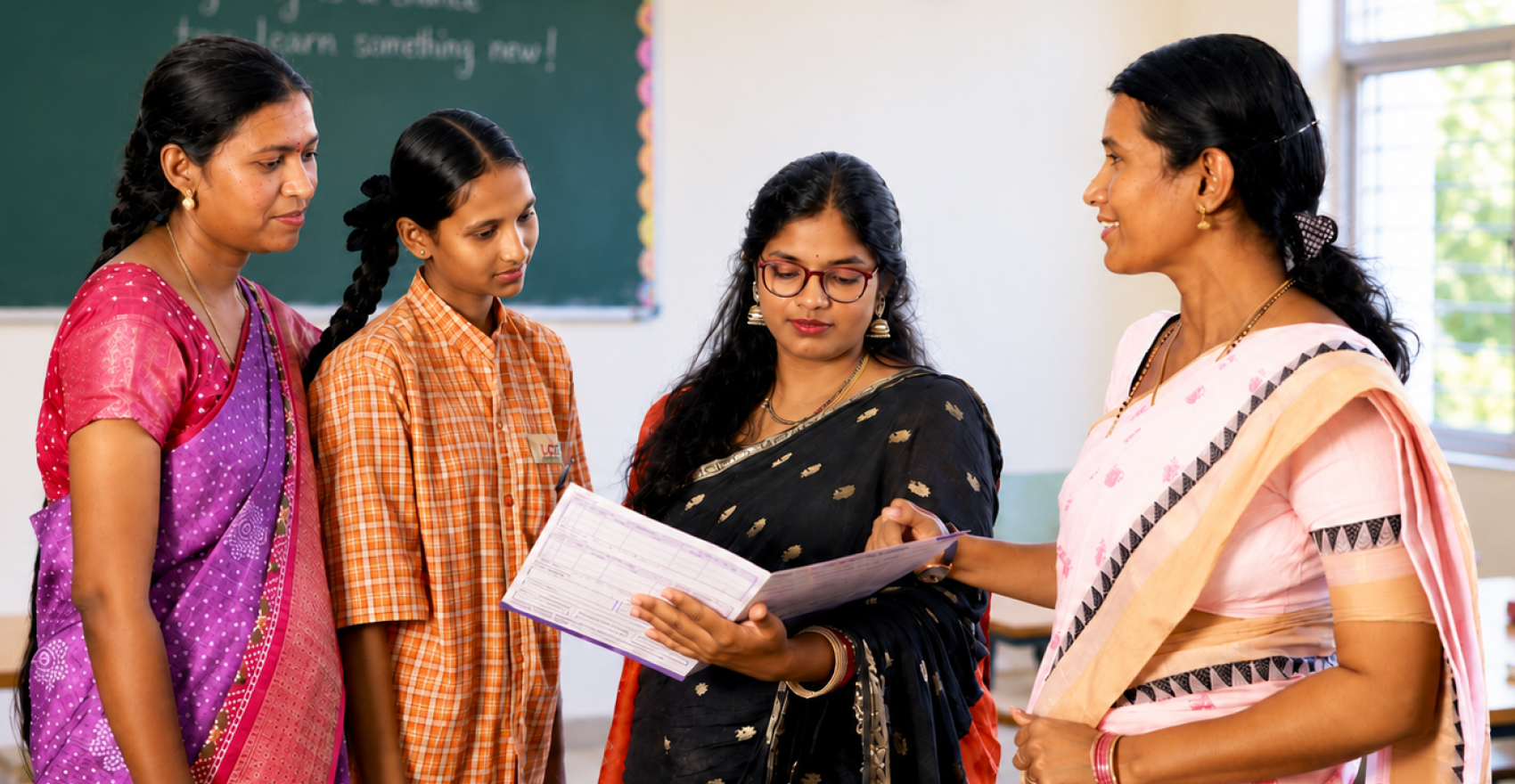
Teachers often lack training or tools to adopt reflective, observation-based evaluation methods.

Marks-First Mindset

Educational institutions and parents have long equated success with high academic scores, reinforcing a narrow definition of achievement.

No Digital Framework

Absence of structured frameworks or digital tools makes it difficult for schools to shift their assessment focus.

Board Exam Pressure

The pressure of board examinations and university entrance criteria continues to prioritize marks over holistic growth.

Without systemic support, implementing tools like the Holistic Progress Card remains a challenge in many school settings.

Possible Solutions: Implementing the HPC

To successfully implement the Holistic Progress Card, a 360-degree, multi-dimensional approach is essential. Here are the key pillars:

1

Teacher Capacity Building

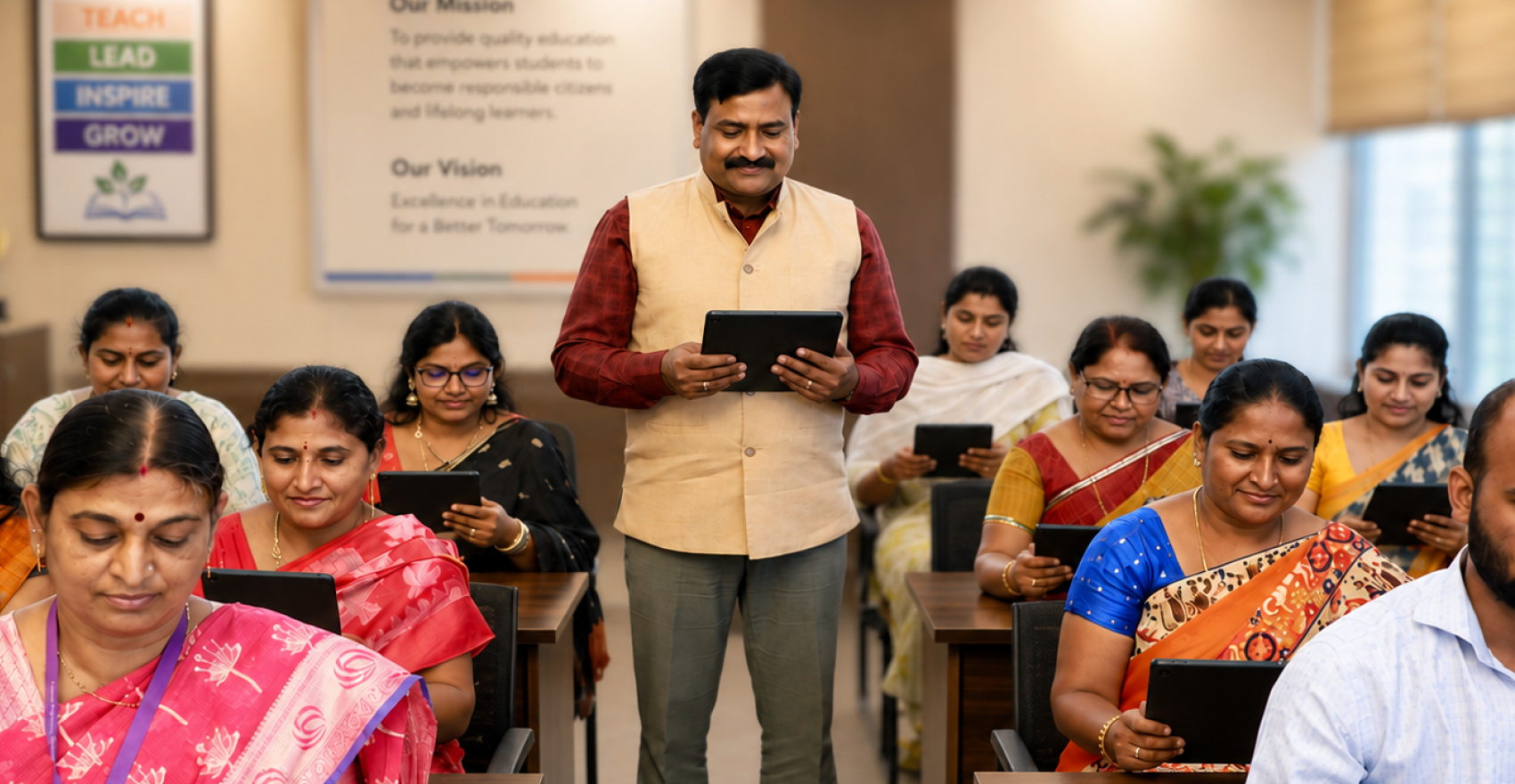
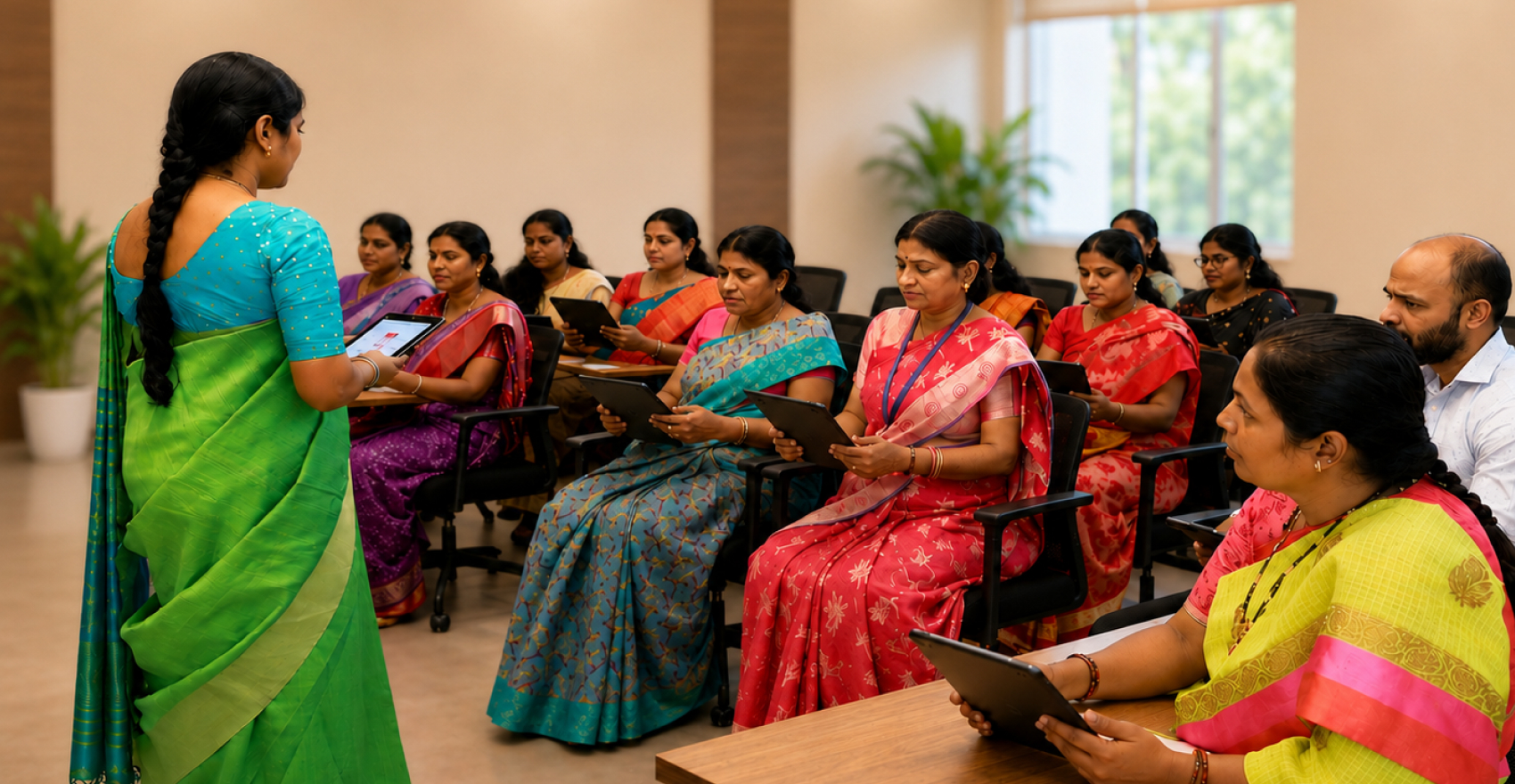
Training sessions on observation techniques, child psychology, and personalized feedback mechanisms can empower educators to assess students more meaningfully. IT infrastructure and digital platforms ease documentation while ensuring consistent tracking.

2

Parent & Caregiver Engagement

Conduct awareness sessions on the value of holistic education. When families understand that emotional intelligence, physical health, collaboration, and creativity are as crucial as academics, they can reinforce these values at home.

3

Student Self-Assessment

Learners should be encouraged to participate in self-assessment and goal-setting. Peer assessment provides constructive feedback, fostering ownership and helping students reflect on their personal growth and motivation.

4

External Expert Collaboration

Collaboration with counsellors, sports coaches, and arts educators as third-party evaluators can enrich the process, providing diverse perspectives on each child’s development.

With the right ecosystem of training, digital tools, and support, the HPC can transform assessment into a powerful learning experience.

The HPC in Practice

Unlike one-time summative examinations, the HPC offers a narrative and evidence-based view of a child’s journey over a period of time. It documents progress not only in curricular areas but also in:

Co-curricular activities · Values & attitudes · Life skills · Social & emotional growth · Physical development

This paradigm shift promotes a growth mindset and strengthens the teacher-student relationship — while also promoting school-home relations in a meaningful, structured way.

Transforming Education, One Card at a Time

The Holistic Progress Card is more than an assessment tool — it involves 360-degree and multidimensional assessment. Each child is unique and learns in diverse ways, and the HPC embraces that diversity.

By replacing marks with meaningful feedback, and comparison with compassion, it brings learning closer to real-life experience. Implementing the HPC requires shifts in mindset, capacity building of teachers, and systemic change — but the rewards are profound.

Students become more engaged, teachers more insightful, and parents more informed. In embracing this change, we move closer to the true aim of education: shaping individuals who are thoughtful, skilled, and prepared for life’s diverse challenges.

The future of assessment isn’t about measuring what students know — it’s about nurturing who they can become. 💛